
“We have received that special responsibility from God to take care of His creations. And every one of us, collectively and individually, we have something to do.” —Bishop Gérald Caussé
Water Conservation Is a Priority
The Church of Jesus Christ of Latter-day Saints invites communities everywhere to be wise stewards of the natural resources God provides. In the Intermountain West region of the United States, water is increasingly scarce, and many municipalities and water authorities are updating regulations to manage its use.
This article outlines some of the Church’s ongoing efforts to conserve water on meetinghouse properties throughout this arid region.
- Clearfield-Mid-Spring-02-20250521.jpg
- SLC-135A-North-Late-Fall-20231128.jpg
- Castle-Dale-Early-Fall-20240919.jpg
- Dixie-Downs-Early-Summer-20240627.jpg


| Temple Square is always beautiful in the springtime. Gardeners work to prepare the ground for General Conference. © 2012 Intellectual Reserve, Inc. All rights reserved. | 1 / 2 |
Smart Controllers
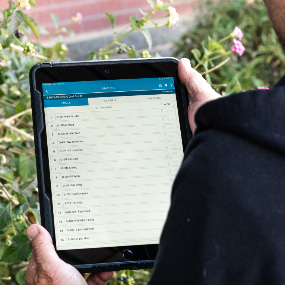
As noted in March 2025, the Church is on track to complete a major initiative: installing over 3,000 smart controllers at its facilities across the Intermountain West. The Church hopes to save over 500 million gallons of water in the first year of full operation. This is roughly equivalent to filling over 750 Olympic-sized swimming pools laid end to end.
Smart controllers may operate in ways that seem unusual, but operational adjustments are calculated to save water. Instead of a fixed, time-based schedule, they might water in more frequent, short bursts; at inconsistent hours; or even during a rainstorm. These adjustments are made to maximize water absorption by plants based on factors such as weather, humidity, and soil composition. Sometimes the system must follow specific irrigation times set by the local municipal water authority.


| Temple Square is always beautiful in the springtime. Gardeners work to prepare the ground for General Conference. © 2012 Intellectual Reserve, Inc. All rights reserved. | 1 / 2 |
Water-Wise Landscaping and Reseeding
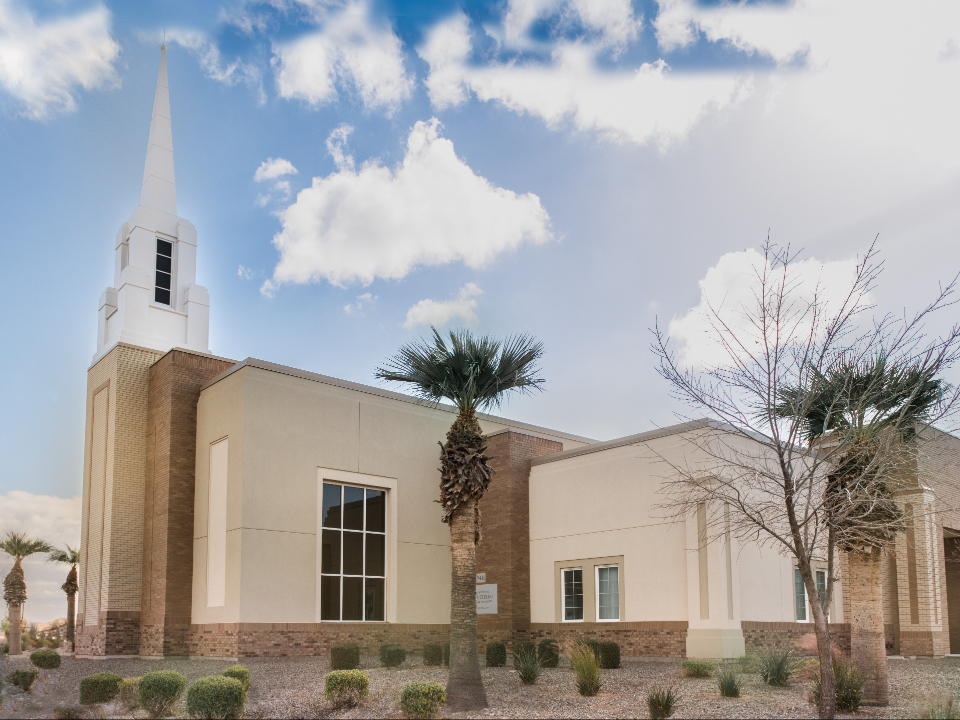
The Church began implementing water-wise landscaping in the early 2000s, designing properties to better reflect their local climates. While some lawns will be retained for recreational use, the Church is gradually phasing out purely decorative or “nonfunctional” grass for new meetinghouses and remodeled buildings across the region. The Church is significantly reducing or completely removing nonfunctional turf within Washington County, Utah, and southern Nevada.
- castle-dale.png
- clearfield.png
- ensign-slc.png
- ogden-old-post.png
- st-george-snow-canyon.png
- u-of-u.png


| Temple Square is always beautiful in the springtime. Gardeners work to prepare the ground for General Conference. © 2012 Intellectual Reserve, Inc. All rights reserved. | 1 / 2 |
The Church continues to evaluate opportunities in areas with high water scarcity where water-wise landscape principles and technologies can yield significant water savings. This includes transitioning select functional, recreational lawn spaces to more drought-tolerant grass mixes through a process of reseeding, which preserves the intended use of the green space while reducing water consumption and project costs.
How Can Members and Friends Get Involved?
Community members are encouraged to report problems, such as broken or malfunctioning sprinkler heads or leaking pipes, to local ward or stake representatives, who can escalate these issues to a professional facility manager.
The Church maintains its invitation to members and community members to join in preserving this critical resource (June 2022 Official Statement on “The Importance of Water Conservation”) and find effective ways to reduce consumptive water use, especially irrigation, on their own properties. Local water agencies can be a valuable resource in learning more about properly adjusting irrigation systems for efficiency and converting to water-wise landscapes.
For more information, please visit this FAQ page.